
 See My Latest Article on HelloNation

Mental health is a central part of healthy aging. For older adults, emotional well-being affects sleep, appetite, memory, mobility, relationships, medication routines, and the ability to manage chronic health conditions. Depression, anxiety, grief, and loneliness are not simply unavoidable parts of getting older. They are health concerns that deserve attention and, in many cases, can improve with appropriate support and treatment.
Why does mental health matter for older adults?
Mental health influences how a person handles daily activities, physical illness, changes in independence, and relationships with family or neighbors. An older adult who feels persistently discouraged or anxious may stop participating in activities, skip meals, miss medications, or avoid medical care.
The connection also works in the other direction. Pain, hearing or vision loss, limited mobility, sleep problems, and chronic conditions can increase emotional stress. Major life changes—such as retirement, the death of a spouse, moving to a smaller home, or becoming dependent on others—may also affect a person’s sense of identity and control. The CDC identifies grief, loneliness, serious illness, and retirement as life circumstances that can influence mental health in older adulthood. ([cdc.gov](https://www.cdc.gov/mental-health/about/index.html?utm_source=openai))
Living in a smaller community or rural-feeling area can make transportation, social participation, and access to services more difficult for some local households. Seasonal heat, storms, and periods of limited outdoor activity may also reduce opportunities for exercise and social contact. These practical conditions do not cause mental illness by themselves, but they can make isolation or existing symptoms harder to manage.
Is depression a normal part of aging?
No. Depression is not a normal consequence of growing older. Although older adults may experience losses, health concerns, or other difficult changes, persistent depression is a medical condition rather than a personal failure or an expected stage of life. It is treatable. ([nia.nih.gov](https://www.nia.nih.gov/health/depression-and-older-adults?utm_source=openai))
Depression may look different in older adults than many people expect. Sadness may not be the most noticeable symptom. Instead, a person may seem unusually tired, irritable, withdrawn, forgetful, or uninterested in activities that once mattered.
Signs that deserve attention include:
- Loss of interest or pleasure in familiar activities
- Ongoing sadness, emptiness, hopelessness, guilt, or worthlessness
- Sleeping much more or less than usual
- Changes in appetite or unexplained weight change
- Low energy or slowed movement and speech
- Trouble concentrating, remembering, or making decisions
- Increased alcohol use or other risky behavior
- Repeated comments about death, being a burden, or having no reason to live
Symptoms that last for two weeks or more should not be dismissed as “just aging.” They may be caused by depression, a medication effect, another medical condition, or a combination of factors. A primary care visit can help identify possible causes and determine whether additional evaluation is needed. ([nia.nih.gov](https://www.nia.nih.gov/health/depression-and-older-adults?utm_source=openai))
How are loneliness and social isolation different?
Loneliness is the feeling of being disconnected or lacking meaningful companionship. Social isolation refers to having limited relationships, contact, or support. A person can live alone and feel content, while another person surrounded by others may still feel lonely.
Older adults may become more isolated after giving up driving, losing a partner, experiencing hearing loss, recovering from an illness, or having difficulty walking. Limited transportation can make it harder to attend religious services, community activities, appointments, or informal gatherings. The CDC links loneliness and social isolation with a greater risk of depression, anxiety, dementia, heart disease, stroke, and earlier death. ([cdc.gov](https://www.cdc.gov/social-connectedness/risk-factors/index.html?utm_source=openai))
Support does not have to involve a large social circle. Regular contact with one trusted person can help. Useful options may include:
- A scheduled phone or video conversation
- Shared meals with relatives, neighbors, or friends
- Short walks or outdoor time when weather and mobility allow
- Participation in a faith, hobby, educational, or volunteer activity
- Transportation arrangements for appointments and social events
- Helping an older adult remain involved in familiar household decisions
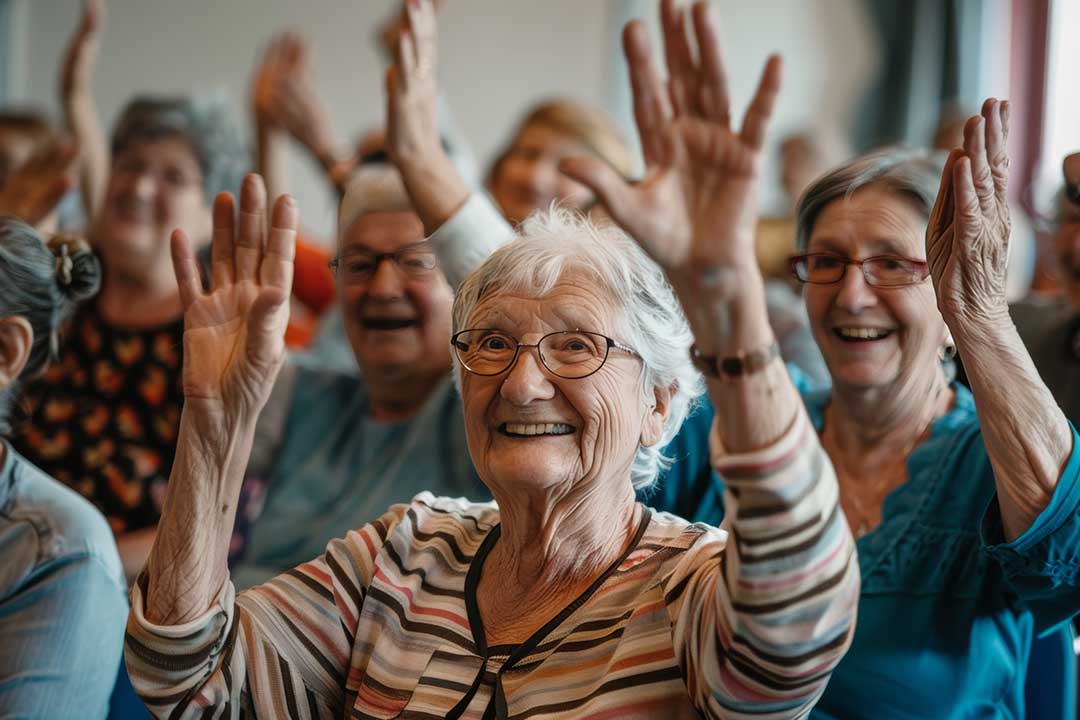
Consistency often matters more than frequency. A predictable call each Tuesday may be more meaningful than occasional plans that are difficult to keep.
What can families do if they notice a change?
Start with observations rather than accusations. Saying, “You have seemed more tired and withdrawn lately,” is usually more helpful than saying, “You are depressed.” Ask open questions and allow time for an answer.
A family member or friend can:
- Listen without immediately trying to solve the problem
- Ask what kind of help would feel useful
- Offer to accompany the person to a medical visit
- Help write down symptoms, sleep changes, appetite changes, and medication concerns
- Encourage manageable activities without pressuring the person
- Watch for changes after hospitalization, bereavement, or a new diagnosis
Memory problems can complicate the picture. Depression may cause concentration difficulties, while dementia can involve changes in mood and behavior. The two conditions can occur together, so significant or sudden changes should be discussed with a healthcare professional rather than diagnosed at home.
Medication review is also important. Older adults may take several prescriptions, over-the-counter medicines, or supplements. Some can affect sleep, mood, alertness, or appetite, and age-related changes can increase the risk of interactions. A complete medication list should be reviewed with a physician or pharmacist before starting, stopping, or changing treatment. ([nia.nih.gov](https://www.nia.nih.gov/health/depression-and-older-adults?utm_source=openai))
When is urgent help needed?
Immediate action is needed if an older adult talks about wanting to die, describes a plan, says life is unbearable, gives away important possessions, becomes unusually reckless, or suddenly withdraws after a painful loss. Other warning signs include increased substance use, extreme agitation, major sleep changes, or statements about being a burden. ([988lifeline.org](https://988lifeline.org/learn/warning-signs/?utm_source=openai))
Ask directly and calmly whether the person is thinking about suicide. Asking does not create suicidal thoughts. If there is immediate danger, call 911 or go to the nearest emergency department. In the United States, calling or texting 988 connects a person with the Suicide & Crisis Lifeline for confidential support at any time. ([nia.nih.gov](https://www.nia.nih.gov/health/depression-and-older-adults?utm_source=openai))
Mental health deserves the same attention as blood pressure, diabetes, balance, and nutrition. For older adults in Monroe, recognizing changes early, preserving meaningful connection, and treating symptoms as health concerns can help protect independence, relationships, and quality of life.