
 See My Latest Article on HelloNation
Why Is Socialization Essential for Older Adults?
Staying socially active supports both mental and physical well-being. For older adults, regular interaction can reduce the risk of loneliness, support memory health, and even help prevent depression. In Monroe, GA, where many residents value connection within close-knit neighborhoods, social engagement is often viewed as a core part of quality living. Senior living communities can play a key role by creating environments that naturally encourage social activity among residents.
What Types of Social Opportunities Are Commonly Available?
Senior living communities are designed to offer more than just housing; they provide a supportive setting for residents to connect with others through structured programs and informal interaction. Common social opportunities include:
- Shared meal times in central dining areas
- Group exercise classes such as chair yoga or walking clubs
- Card and board game gatherings
- Outdoor gardening or craft groups
- Book clubs and discussion circles
- Movie nights or live music events
These activities are typically tailored to the interests and needs of local residents. Seasonal events, like spring garden plantings or holiday celebrations, reflect the community’s calendar and climate, helping residents feel a sense of belonging.
How Do Shared Spaces Encourage Interaction?
Intentional design of community spaces is a subtle, yet powerful, factor in supporting social engagement. In many senior living settings, shared lounges, patios, and walking paths are centrally located and easily accessible, making it more likely residents will encounter one another during daily routines. Features such as:
- Comfortable seating areas for casual conversation
- Community gardens where residents can work together
- Multipurpose rooms adapted for games, movies, or educational talks
These spaces feel inviting and help bring people together naturally, especially when the weather encourages outdoor activity during much of the year.
Are Group Activities Optional or Expected?
Participation in activities is voluntary; residents are free to choose what suits their interests and comfort levels. There's a common misconception that group involvement is mandatory, but most communities respect personal preferences and privacy. Residents who prefer quieter routines can still benefit from opportunities to connect, such as chatting with neighbors in hallways or exchanging greetings during walks on nearby trails.
What Barriers Might Residents Face to Socialization?
Not everyone finds it easy to make new connections, especially after moving to a new setting. Common challenges include:
- Adjusting to new surroundings or living arrangements
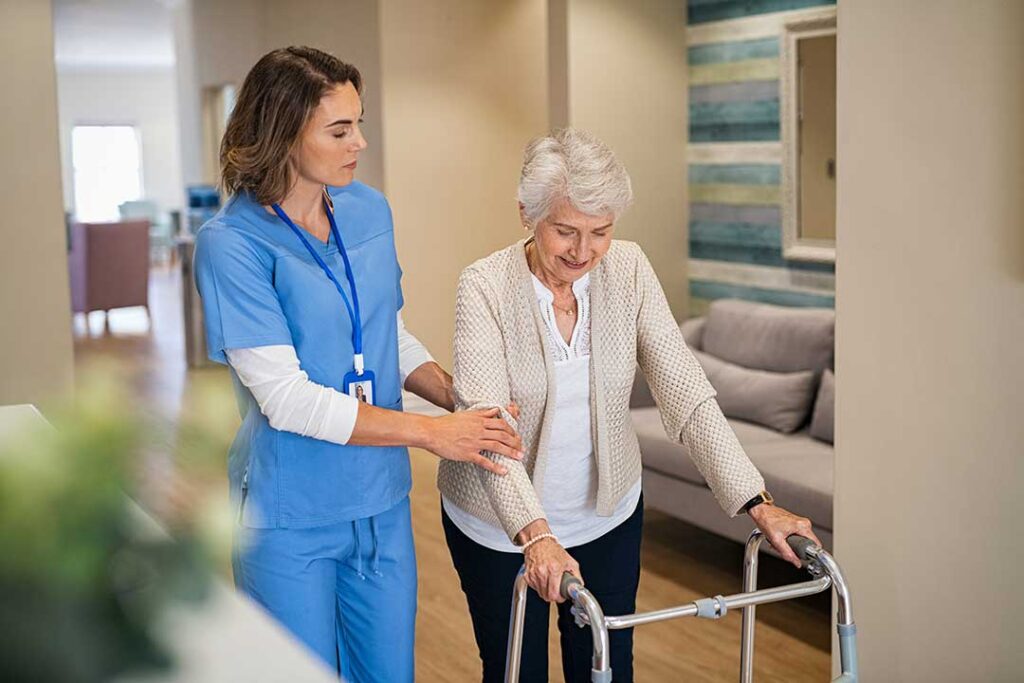
- Mobility concerns that make attending group events difficult
- Hearing or vision limitations affecting communication
- Anxiety about joining new groups
Senior living staff are often trained to recognize these challenges and can offer support by introducing residents to peers with common interests or helping arrange transportation to on-site gatherings.

How Does Socialization Support Physical Health?
Social engagement can encourage residents to stay active, whether through group exercise classes, walking clubs, or even tasks like community gardening. These activities promote:
- Better mobility and balance
- Lower risk of chronic illness exacerbation
- Increased motivation for healthy habits
For local residents who may be adjusting to Monroe’s seasonal weather patterns, flexible indoor and outdoor options help maintain consistent social and physical activity throughout the year.
Can Residents Contribute Their Own Ideas for Activities?
Absolutely—many communities invite residents to help shape the activity calendar. Suggestions might range from starting a new interest group to recommending a guest speaker or planning a community event around a popular hobby. This input helps ensure the offerings remain relevant and enjoyable, and it gives residents a sense of ownership and pride in their living environment.
Does Socialization Extend Beyond Scheduled Activities?
Social interaction is not limited to planned events. Everyday moments—catching up over breakfast, working together in the garden, or stopping to chat during a morning stroll—are often just as meaningful. For many in Monroe, these unscheduled interactions are a familiar extension of the community spirit found in the city’s neighborhoods and civic spaces.
How Do Senior Living Communities Adapt Social Programs for Varying Needs?
Recognizing that each resident’s social comfort and abilities are unique, communities take steps to offer a mix of smaller group settings and larger gatherings, as well as accessible options for those with mobility or health concerns. For example:
- Providing quiet rooms for reading and conversation
- Making activities accessible for residents using mobility aids
- Offering both indoor and outdoor options based on seasonal weather
This flexibility helps ensure that every individual can find a comfortable way to participate as much or as little as they’d like.