
 See My Latest Article on HelloNation
What Does Senior Isolation Look Like Locally?
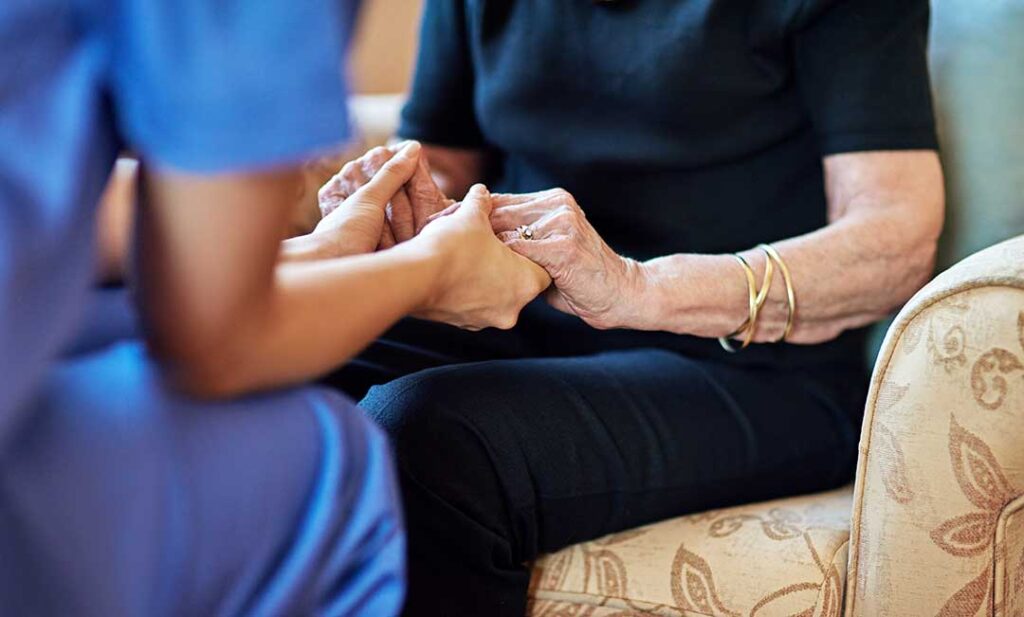
Social isolation among older adults refers to having few meaningful contacts with others, and can impact both mental and physical wellbeing. In Monroe, GA, this can be especially relevant for residents living alone, those with limited mobility, or people whose family members have moved further away. The city’s quieter neighborhoods, spread-out housing, and sometimes limited transportation can unintentionally contribute to people feeling cut off from regular social interaction.
Local seniors may experience isolation differently depending on their lifestyle. For example, someone living in a suburban cul-de-sac might have less daily contact with neighbors, especially if they no longer drive. Recognizing these patterns early can help households and friends offer better support.
How Can You Tell if Someone Is Experiencing Isolation?
There are some common signs that a senior in Monroe might be struggling with loneliness or social isolation:
- Decreased participation in church, clubs, or community events
- Less interest in hobbies or local traditions, such as gardening, volunteering, or group walks
- Noticeable changes in mood, such as sadness or irritability
- Missed medical appointments or declining personal care
- Loss of appetite or changes in sleep habits
It’s not always obvious—some people may downplay their feelings or stay quiet out of pride or habit. Checking in regularly and gently asking about routines can help uncover subtle changes.
Why Is Isolation Harmful for Local Seniors?
Social isolation is more than just a passing feeling—it’s linked to higher risks of depression, anxiety, memory decline, and even heart problems. Monroe seniors who spend long periods alone might also face greater fall risks because emergency help could be delayed. Prolonged isolation can make it harder to recover from illness or injury, whether living in independent housing or with family.
The region’s variable weather, such as hot summers or periods of heavy rain, can restrict seniors’ willingness to leave home, further increasing isolation. Having practical steps ready before these challenges arise helps build resilience.
What Habits and Choices Increase Isolation in Monroe?
Personal decisions, as well as structural factors, can shape how connected seniors feel. Some examples relevant to households in Monroe include:
- Giving up driving without finding reliable alternatives, especially for grocery runs or doctor visits
- Not having internet access or the know-how to use it for social purposes or community updates
- Moving to areas where walkability is limited and there are fewer chances for casual social contact
- Out-of-town family members unable to visit frequently due to distance
Recognizing these patterns makes it easier for neighbors, friends, and families to step in with support or creative solutions tailored to the area’s specific habits and layout.
What Are Practical Ways to Prevent Social Isolation?

Simple routines can go a long way toward preventing isolation among local residents:
- Encourage short outdoor walks during safe weather; Monroe’s parks and green spaces are good conversation starters with neighbors or fellow visitors
- Keep up with community news, local interest groups, or newsletter bulletins—many are available through libraries or municipal programs
- Schedule regular phone or video calls with family and friends, helping bridge the distance if relatives live out of state
- Offer rides to groceries, civic meetings, or events, especially when harsh weather might keep someone home
- Ask about neighbors’ routines and include those living alone in seasonal gatherings, holiday meals, or local traditions
Technology can be a helpful tool if access and training are available, but small, consistent gestures can often do more than a single large event.
What Are Some Overlooked Factors or Common Misconceptions?
There’s sometimes an assumption that retired or homebound adults naturally prefer solitude or are content with less social engagement, but many are eager for more connection—and would welcome more opportunities if structured in accessible, low-pressure ways.
Another misconception is that having family living nearby always solves the problem. Busy work and school schedules can still make it hard to visit regularly, so even those with relatives close should be included in broader social circles.
For people who live with chronic illness or reduced mobility, fatigue and practical barriers may limit participation, but this doesn’t mean the desire for connection is gone. Even small, adaptive changes—like shorter activities or visits on quieter streets—can make a positive difference.
Can Public Spaces in Monroe Help Address Isolation?
Community spaces and parks, when accessible and welcoming, play a big role in reducing social isolation. Gathering spots like public libraries, walking trails, and pools provide informal opportunities to meet neighbors and stay engaged with local happenings.
Area households can also help by checking that sidewalks are kept clear, offering a ride to a township meeting, or sharing community news with those who might not otherwise hear about upcoming events. Despite the quieter pace of life in parts of the city, these small steps create a fabric of connection that supports all ages and helps seniors feel valued.