
 See My Latest Article on HelloNation
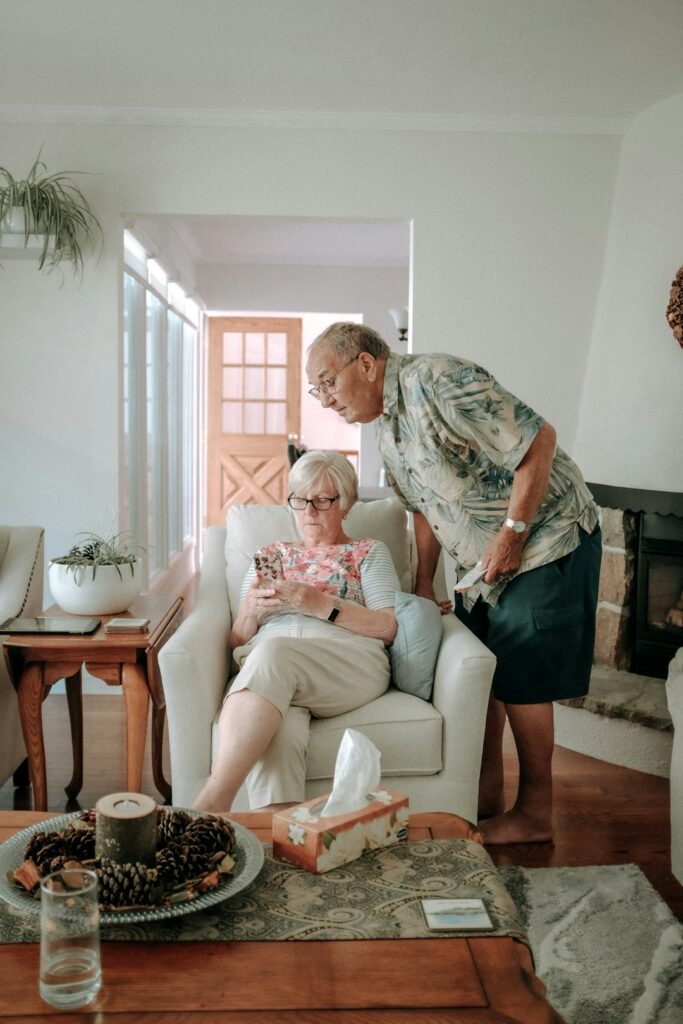
What Are the Most Common Safety Concerns for Seniors at Home in Monroe, GA?
Many residents ask about the typical risks seniors face in their own homes locally. In Monroe, GA, the primary safety concerns tend to be falls, difficulty navigating steps, and environmental hazards that can be amplified by seasonal weather. This is especially true in older houses and those with multi-level layouts, which are common in the area.
In Monroe’s climate, slipping hazards may increase with rain or humidity, especially on porches or tiled areas. Inside, household clutter, loose rugs, and poorly lit hallways contribute to the risk of falls. Misplaced furniture and electrical cords can also impede safe movement. Understanding these common issues helps families prioritize the most impactful changes for their loved ones.
How Can Homes Be Adapted to Reduce the Risk of Falls?
The most effective fall prevention practices involve minimizing tripping hazards and improving accessibility. In Monroe, local homes often benefit from small changes such as:
- Adding sturdy handrails on both sides of stairs and along key hallways
- Installing grab bars near toilets, showers, and bathtubs
- Securing area rugs with slip-resistant backing or removing them entirely
- Placing non-slip mats in bathrooms and entryways
- Ensuring all pathways are clear of cords, shoes, and other clutter
Senior residents sometimes overlook the importance of uniform and well-placed lighting. Swapping out dim bulbs for brighter, energy-efficient options — especially at entrances, along stairways, and in bathrooms — is a practical, quick improvement. Keep a flashlight in easy-to-reach locations for urgent use during power outages, which can happen in Monroe’s stormy seasons.
Which Local Climate Factors Influence Safety and Comfort?
Monroe experiences hot, humid summers and occasional storms, while winter freezes can lead to slick steps and sidewalks. These conditions shape strategies for comfortable, safe senior living. For example:
- Use weather stripping and caulking on doors and windows to maintain even indoor temperatures and prevent drafts
- Consider ceiling fans and accessible thermostat controls to help manage heat on warm days
- Position furniture away from vents, heaters, and cold windows to ensure consistent room temperatures (important for seniors sensitive to temperature swings)
- After rainy weather, promptly dry wet floors and entryways to prevent slips
- Keep outdoor walkways shoveled or salted during rare ice events
Adjusting for Monroe’s weather not only improves comfort but helps protect against sudden health emergencies related to temperature or precipitation changes.
What Features Support Safe Bathroom Use for Seniors?
Bathrooms are a primary site for accidents among seniors in Monroe. Local homes, especially those built before modern accessibility standards, may need updates. The most helpful bathroom features include:
- Grab bars within the shower, tub, and beside the toilet (installed securely, not suction-mounted)
- Raised toilet seats for ease of sitting and standing
- Walk-in showers with low or no threshold for easier entry
- Handheld showerheads for seated bathing
- Securely attached, non-slip mats both inside showers and on floors
- Easy-to-reach storage that avoids the need for overreaching or bending
Residents sometimes underestimate how a simple change—like lowering towel racks or swapping out doorknobs for levers—can reduce the risk of strain or falls.
How Can Living Spaces Promote Both Independence and Security?
Balancing personal independence with safety is possible with thoughtful adjustments, even in Monroe homes with smaller footprints. Creating clear, open paths between frequently used rooms is the first step. Place essential items—phones, medications, reading materials—within easy reach and at accessible heights.
Consider using:
- Furniture with rounded edges to minimize injury in case of bumps
- Chairs with stable arms and sturdy frames for safe sitting and standing
- Motion sensor lighting for nighttime bathroom trips
- Simple door and cabinet hardware that is easy on arthritis or reduced grip strength

Avoid over-furnishing. In Monroe, where some homes have compact rooms, less furniture can actually mean greater mobility and safety.
What Should Residents Know About Fire and Emergency Preparedness?
Fire safety and emergency readiness are key considerations, especially in houses with older wiring or appliances—common in Monroe’s aging housing stock. Ensure all smoke alarms are tested regularly and batteries replaced as needed. Carbon monoxide detectors are advised, especially with fireplaces or gas heating.
Keep:
- A visible, updated list of emergency numbers by each phone
- A spare key and contact information with a trusted neighbor or family member
- Clear, accessible exits (avoid blocking doors with furniture or boxes)
- Flashlights and battery-operated lanterns in easy-to-locate spots
It’s also wise to have a written medication list and important documents in an identifiable envelope, in case quick evacuation is needed.
Which Outside Areas Should Be Evaluated for Senior Safety?
Exterior spaces around Monroe homes—driveways, porches, garden paths—pose unique risks, particularly after storms or frost. Prioritize:
- Well-lit paths from the house to the mailbox or car
- Stable, slip-resistant handrails on all steps leading outside
- Regular trimming of shrubs or branches that could obstruct walkways
- Nonslip surface coatings on porches or wooden decks
Check for loose stones, cracked paths, or uneven surfaces and address them swiftly, especially before wet or icy weather sets in.
Are There Local Resources or Community Supports for Safe Senior Living?
Area households often ask about programs and resources that help make senior homes safer. While Monroe has some public agencies geared toward older adults and home modifications, support can also come from neighbors, faith communities, or local volunteer groups. Some senior centers and local government offices offer information on home safety checks, durable medical equipment, or loaner items. It is worthwhile for families and neighbors to stay informed about upcoming workshops or local events focused on safety and accessibility for seniors.