
 See My Latest Article on HelloNation

Senior living safety involves much more than locked doors and emergency buttons. In Monroe, GA, residents and families may reasonably expect a community to address falls, fires, medication mistakes, severe weather, infectious illness, wandering, food safety, and everyday hazards without unnecessarily limiting independence.
Safety measures should be visible in the building, explained in writing, practiced by staff, and adjusted as a resident’s needs change.
What safety standards should a senior living community follow?
A senior living community should maintain safe buildings, trained staff, emergency procedures, medication controls, infection-prevention practices, and systems for responding to individual health and mobility needs.
Georgia regulations establish minimum requirements for assisted living communities and personal care homes. These requirements address areas such as fire protection, evacuation routes, emergency planning, staff training, sanitation, medication storage, food handling, building maintenance, and temperature control.
Minimum compliance is only a starting point. Families should also look for evidence that safety procedures are actively used rather than simply documented.
Useful questions include:
- How often are emergency drills conducted?
- How are residents accounted for during an evacuation?
- What happens if a resident falls?
- How are changes in mobility, memory, or medication communicated to staff?
- Who is notified after an accident or unexplained injury?
- How does the community respond to power outages, extreme heat, or severe storms?
How are falls prevented?
Fall prevention usually combines a safe physical environment with individualized support. Common measures include adequate lighting, clear walkways, handrails, grab bars, nonslip flooring, accessible bathrooms, and properly maintained mobility equipment.
Staff may also monitor whether a resident is having difficulty standing, walking, transferring, or using the bathroom. A sudden change in balance can be related to illness, dehydration, medication effects, vision problems, or a new medical condition.
Families should pay attention to overlooked hazards such as:
- Loose rugs or mats
- Electrical cords across walking paths
- Poor lighting near bathrooms
- Clutter beside beds or chairs
- Wet floors
- Shoes without secure soles
- Furniture that is difficult to rise from
- Walkers or wheelchairs that are not adjusted correctly
A fall should not be treated as an unavoidable part of aging. Even when no injury is obvious, the incident should be assessed and documented because it may reveal a new risk.
What fire and evacuation protections should be in place?
Fire safety includes smoke alarms, fire extinguishers, clear exit routes, emergency lighting, posted evacuation maps, and staff members who know which residents need assistance. Residents with mobility limitations may require individualized evacuation plans rather than a general instruction to leave the building.
Doors and hallways should remain free of furniture, equipment, storage boxes, and other obstructions. Exit routes should be easy to identify, including for residents who have vision, hearing, memory, or mobility limitations.
Families should ask whether the community practices both evacuation and shelter-in-place procedures. A drill that only involves walking out of the building may not prepare residents for smoke, blocked hallways, elevator outages, or the need to relocate temporarily.
Residents should also know:
- Where the nearest two exits are
- Whether elevators can be used during a fire
- How staff assist people who use walkers or wheelchairs
- Where residents gather after evacuation
- How family members receive updates during an emergency
How are medications kept safe?
Medication safety depends on accurate records, secure storage, correct timing, and clear communication. Medications generally need to be protected from unauthorized access while remaining available when a resident requires them.
A reliable system should address new prescriptions, discontinued medications, dosage changes, missed doses, refills, allergies, and medications that require special monitoring. Staff should document assistance or administration according to the community’s procedures and applicable rules.
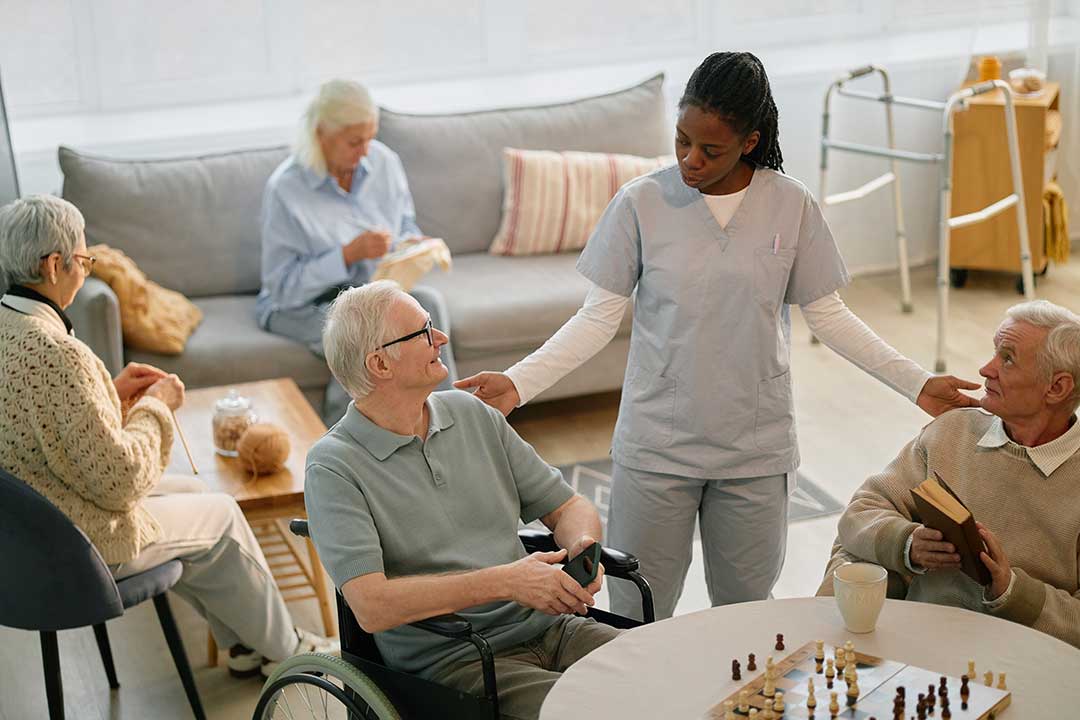
Families can help by keeping an updated medication list that includes prescriptions, over-the-counter drugs, vitamins, supplements, allergies, and prescribing instructions. Every change should be communicated promptly and confirmed in writing when possible.
A medication review is especially useful after hospitalization, a fall, a change in appetite, unusual sleepiness, dizziness, confusion, or a sudden decline in walking ability.
How do communities protect residents from infection?
Infection control includes hand hygiene, cleaning and sanitation, safe food handling, appropriate use of protective equipment, staff illness policies, and procedures for responding to outbreaks.
Residents should have access to soap, water, clean towels, and sanitary bathrooms. Shared areas and frequently touched surfaces need regular cleaning. Food preparation should address cross-contamination, safe temperatures, kitchen cleanliness, and dietary instructions.
Families should ask how the community handles respiratory illness, gastrointestinal illness, and other contagious conditions. A strong plan explains how residents are notified, how symptoms are monitored, how exposed residents are supported, and how visits or group activities may be adjusted.
Infection prevention should not mean unnecessary isolation. The goal is to reduce transmission while preserving communication, dignity, and social connection as much as possible.
How are extreme heat, storms, and power outages handled?
Weather-related safety deserves special attention in this area. Hot, humid conditions can place older adults at increased risk of dehydration, heat exhaustion, and heat-related illness. Severe storms may also cause power interruptions, blocked roads, communication problems, or temporary relocation.
A community should have an emergency preparedness plan that identifies responsible staff, emergency contacts, evacuation procedures, backup communication methods, food and water supplies, and arrangements for residents who need medication or mobility assistance.
During a power outage, staff should monitor indoor temperatures and resident comfort, maintain access to drinking water and necessary medications, and follow the emergency plan for backup power or relocation. Residents who are especially sensitive to heat or cold may need closer observation.
Ask how families will be notified if normal services are disrupted. A plan should not depend on every resident being able to make independent phone calls or arrange transportation.
How are wandering, missing-person risks, and personal security addressed?
Communities serving residents with memory loss should have procedures for recognizing changes in routine, responding to exit-seeking behavior, and locating a resident quickly if someone is unaccounted for.
Security measures may include controlled access, door alarms, visitor sign-in procedures, nighttime checks, and staff awareness of residents’ usual destinations. These protections should be balanced with privacy, freedom of movement, and dignity.
Families should ask how the community distinguishes between ordinary independence and a change that may signal risk. A resident who suddenly becomes disoriented, leaves a familiar area, or cannot explain where they are going may need prompt assessment.
Personal security also includes protection from exploitation, abuse, neglect, and unauthorized use of belongings. Staff should know how to report concerns and how residents can raise complaints without fear of retaliation.
What can residents and families do to support safety?
Safety works best as a shared process. Residents should report broken equipment, spills, poor lighting, dizziness, medication concerns, unsafe behavior, or changes in their ability to complete daily tasks.
Families can:
- Keep emergency contacts current.
- Provide updated medical and medication information.
- Share known fall risks, allergies, and communication preferences.
- Participate in care-plan discussions.
- Ask what changed after an incident.
- Notice whether the resident appears fearful, unusually withdrawn, dehydrated, or confused.
- Learn the community’s process for reporting concerns.
A safe senior living environment does not eliminate every risk. It identifies foreseeable hazards, responds quickly when something goes wrong, and adapts support as residents’ needs evolve. For households evaluating care options in Monroe, the most useful measure is not how many safety features are advertised, but whether those features are maintained, practiced, and explained clearly.